Publishing the Adventure Series VI - The Difference Between a Creator and a Publisher
Wednesday, November 11, 2026
Author:
Mike Taylor
Publishing the Adventure Series
ARTICLE 6
The Difference Between a Creator and a Publisher
By: Mike "TaylorLyfe" Taylor
Every TTRPG label starts with a creator. Someone who had ideas, built worlds, wrote adventures, and wanted to share them. That creative impulse is the engine of everything that follows.
But somewhere between "I made something" and "I publish things," a transition occurs that many people don't see coming. The skills that make someone a great creator and the skills that make someone a great publisher overlap less than you'd expect, and the people who navigate that transition well are usually the ones who recognize it's happening and adjust deliberately.
A Creator Asks "Is This Good?"
A Publisher Asks "Is This Ready?"
These sound similar. They're not.
"Is this good?" is a creative question. It's about quality, craft, whether the work achieves what it's trying to achieve. A creator can ask this question forever, there's always another revision, another polish pass, another way to make something better.
"Is this ready?" is a publishing question. It's about whether the work, as it currently exists, can go out into the world and do its job, generate the response you need, build the audience you're building, meet the commitment you made to the people waiting for it. Something can be "good" and not "ready", good but incomplete, good but not formatted, good but missing the pieces that make it usable at a table. Something can also be "ready" without being as good as the creator wishes it were, ready because the deadline arrived and the version that exists is the version that ships.
A publisher has to be able to ask the second question and act on the answer, even when the creative part of them is still asking the first.

The Creator Owns the Vision.
The Publisher Owns the Schedule.
The vision is yours. The world, the tone, the creative direction, that's the part that doesn't get outsourced, and it shouldn't be. But the schedule is a different kind of ownership. It involves other people's time, other people's commitments, and increasingly, other people's money if you're running a crowdfunded project.
A creator can work at their own pace. A publisher is coordinating multiple people's pace into something that converges on a release date. That coordination is a skill that has nothing to do with creative talent and everything to do with project management, tracking what's done, what's blocked, what's at risk, and what needs to change to keep things moving.
Many first-time publishers discover that they're spending more time managing the production pipeline than creating content, and that this is not a sign that something has gone wrong. It's what publishing is. The creative work doesn't stop, but it becomes one part of a larger job rather than the whole job.

The Publisher Protects the Brand.
The Creator Builds It.
Early on, the brand is whatever the creator makes. Every piece of content reflects their voice, their instincts, their taste, because they're the only one making things.
As a label grows, as more people contribute writing, art, and design, the brand becomes something that exists independently of any one person's individual contribution. It's a set of standards, a tone, a quality bar that everything has to meet regardless of who made it.
This is where the standing rules and style guides that feel bureaucratic when you're a solo creator become essential. The plain language writing rules, the SRD reference guide, the brand voice standards, these exist because a brand that depends on every contributor having the same instincts as the founder can't scale. Documenting the standards is how the brand survives growth.

Both Roles Live in the Same Person, Usually
For most small TTRPG labels, the creator and the publisher are the same person, at least for a long time. This isn't a problem to solve, it's the normal shape of a small label. But it does mean that person needs to be able to switch hats deliberately. Creative time and publishing time are distinct modes, and trying to do both simultaneously usually means doing neither well.
Some founders find it useful to separate these activities literally, creative work happens in one context, business and production management happens in another, and the switch between them is conscious rather than constant interruption.
Chaotic Chronicles was created by someone who is, at the core, a creator, but the label that exists today required becoming a publisher too, building a team, documenting standards, and managing production pipelines that a solo creative project never needed. Explore where that journey has led at chaoticchronicles.com.

Don't Forget to Check out our stuff!


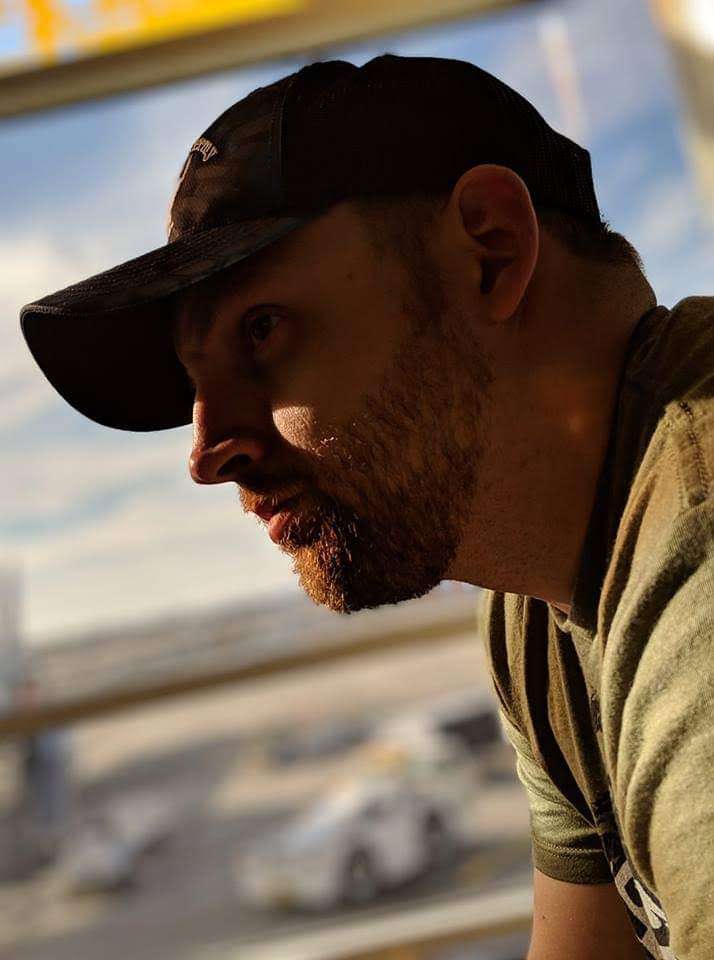
Mike "TaylorLyfe" Taylor
CEO Of Chaotic Chronicles
Mike "TaylorLyfe" Taylor
Greetings, I'm Mike "TaylorLyfe" Taylor, the friendly face behind the scenes. It brings me immense joy to welcome you to our world of endless possibilities and captivating stories. Engage with our diverse range of content and look forward to regular visits filled with inspiration and excitement!
