
Publishing the Adventure Series VIII - How to Build a Small TTRPG Team
Wednesday, November 25, 2026
Author:
Mike Taylor
Publishing the Adventure Series
ARTICLE 8
How to Build a Small TTRPG Team
By: Mike "TaylorLyfe" Taylor
At some point, every TTRPG label that grows past "one person making things in their spare time" faces the question of team. Not employees, necessarily, for most small labels, "team" means collaborators, contractors, and volunteers who care about the project enough to put real time into it without the structure of traditional employment.
Building that team well is one of the most important things a label can do, and one of the things least covered in any practical way. Here's what actually matters.
Roles Emerge from People, Not the Other Way Around
The instinct when building a team is to define roles first, "I need an editor, an artist, a cartographer, a writer", and then find people to fill them. This works, but it misses something that often works better: letting roles emerge from the people who show up.
The Chaotic Chronicles team is a useful example of this. The roster includes a narrative designer who's also a cartographer. A monster and subclass creator who took on key minor writing tasks. A team member whose role description is, genuinely, "team bard, poet, storyteller, lore keeper", a role that exists because that's what that person brought to the table, not because the label had a job posting for "lore keeper."
When you find people who care about your project and have skills to offer, the question isn't always "does this fit a role I've defined." Sometimes it's "what role does this person's specific combination of skills and interests actually fill, and do I need that role filled?" The second question often produces better fits than the first.

Find People Through the Community, Not Job Boards
The most reliable source of team members for a small TTRPG label is the community around the hobby itself, playtesters, fans of your existing work, people active in TTRPG creative spaces who've demonstrated both skill and genuine investment in the kind of work you're doing.
This matters for a specific reason: small-label collaboration runs on more than compensation, especially early on. People who join because they love the project and were already engaged with it before they joined bring a different level of investment than those recruited purely through a transactional job posting. Your playtesters already know your world. Your most engaged community members already understand your tone. They're often your best candidates for collaboration roles, if they have the skills and the interest.

Lead Roles Need to Be Earned, Not Assigned in Advance
Leadership roles within a small team, creative director, lead editor, team leader, work best when they emerge from demonstrated capability rather than being assigned at the project's outset based on titles.
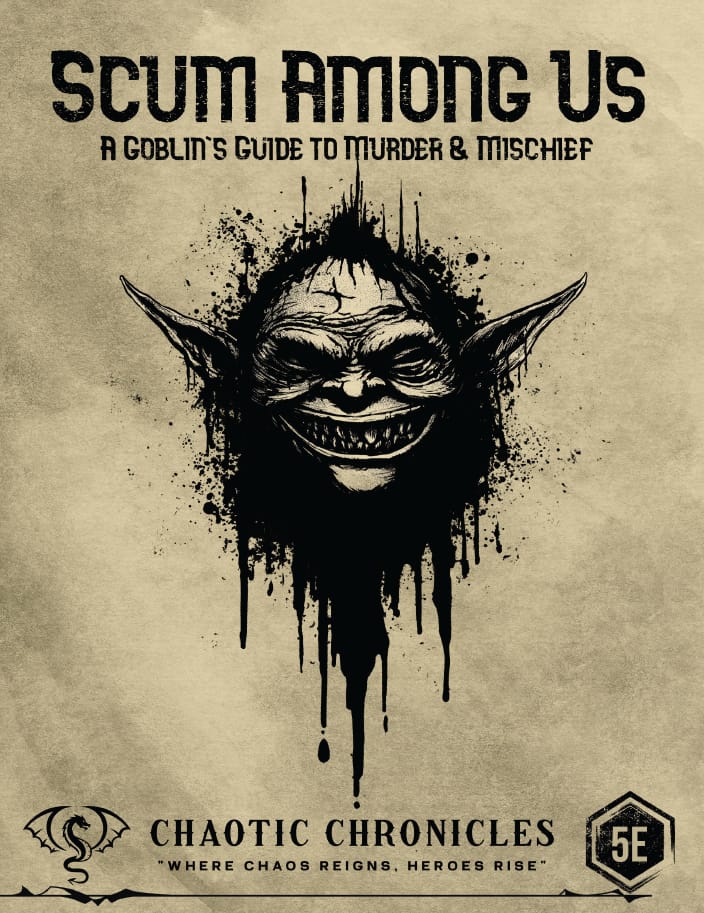
The lead editor role at Chaotic Chronicles became critical during the production crunch on Scum Among Us, someone stepped into that role when it mattered most, under real deadline pressure, and the quality of that work is what earned the title. That's a different dynamic than hiring someone with "Lead Editor" on their resume and hoping they perform under your specific conditions.
For small teams especially, watch how people perform when things get difficult, tight deadlines, unclear instructions, conflicting priorities. The people who step up during those moments are often your real leads, regardless of what the org chart says.

Document Everything, Especially the Things That Feel Obvious
When it's just you, you don't need documentation, everything is in your head, and you're the only one who needs access to it. The moment you add even one collaborator, everything changes.
Writing standards, legal references (what's SRD-safe, what's Product Identity, what needs to be original), brand voice guidelines, even basic things like file naming conventions and where assets live, all of this needs to exist somewhere that isn't just your memory. Not because any individual piece is complicated, but because every piece you don't document is a piece someone else has to ask you about, every time, forever.
The standing rules that govern Chaotic Chronicles' adventure writing exist precisely because the same corrections were happening repeatedly across multiple projects and multiple contributors. Writing the rules down once turned a recurring problem into a one-time fix.

Gratitude Is Not Optional Overhead
The people who contribute to a small label, specially early, especially before there's significant revenue to share — do so because they believe in what's being built. That belief is not infinite or unconditional. It's sustained by feeling like their contribution matters and is recognized.
This sounds soft. It isn't. The acknowledgments pages of small-press TTRPG books are full of names because those names represent real contributions that the label genuinely couldn't have shipped without, playtesters, artists, editors, cartographers, supporters. Naming them, thanking them specifically for what they did, and continuing to involve them in what comes next are not nice-to-haves. It's how small teams stay teams.
The team behind Chaotic Chronicles, across writing, design, art, editing, and lore, is the reason the label exists in its current form. Explore what that team has built at chaoticchronicles.com. We're casting the dark.
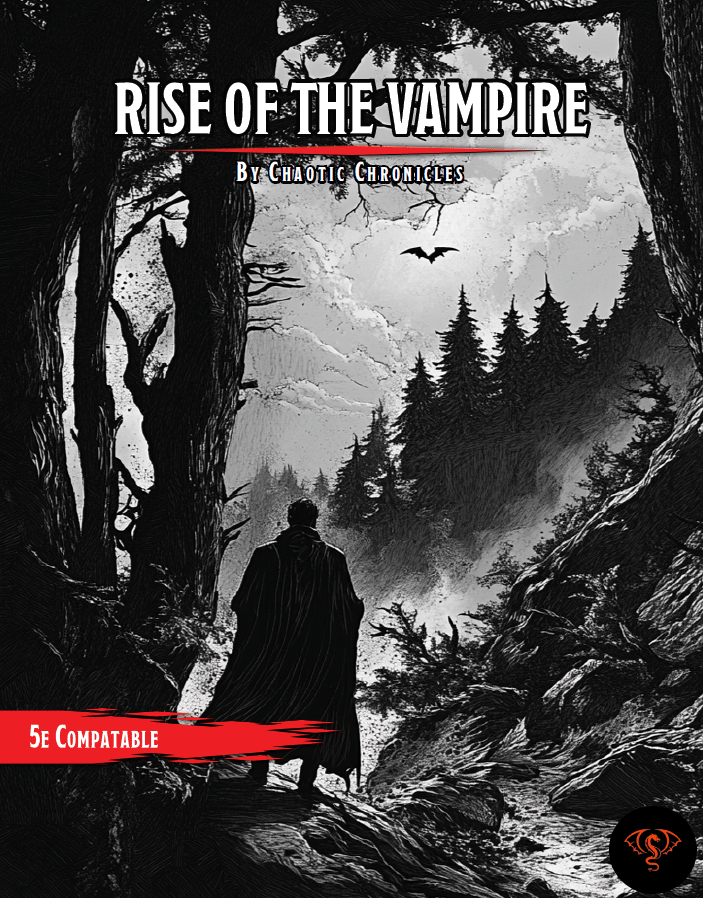
Don't Forget to Check out our stuff!


Mike "TaylorLyfe" Taylor
CEO Of Chaotic Chronicles
Mike "TaylorLyfe" Taylor
Greetings, I'm Mike "TaylorLyfe" Taylor, the friendly face behind the scenes. It brings me immense joy to welcome you to our world of endless possibilities and captivating stories. Engage with our diverse range of content and look forward to regular visits filled with inspiration and excitement!
